Just Like Neanderthals
Brave New World
Archive
Read laterally across the essay archive.
Dialogues
Open the parallel dialogue archive.
Chronicle
Enter the narrative branch of the project.
The Illusion of Choice
Welcome to the brave new world, my friends. Not the utopia we were promised, but the one we built anyway. Huxley warned us, but who has time for warnings when the future is bright, smooth, and conveniently delivered to the door?
Here, choice is mostly decorative. You think you are free because you choose between brands, diets, identities, and lifestyles. But the menu was written long before you arrived. You are allowed to choose only within the system that already chose your role.
Your task is simple: work to consume, consume to work. Do not ask too many questions. Do not wander too far from the herd. Love what you are told to love, hate what you are told to hate, and call it freedom because that is what freedom has been reduced to.
And the ugliest part is this: it works.
We have turned life into a spreadsheet—production, consumption, compliance. The machine hums beautifully. It gives us comfort, safety, convenience, distraction. It asks for very little in return, only that we stop becoming anything more than obedient users. It is a perfect arrangement. Too perfect. Like a perfectly tied noose.
The New Tech Saints
The saints of this new world do not wear crowns. They wear hoodies, present keynotes, promise disruption, and speak in the language of inevitability. Their gospel is simple: more speed, more comfort, more seamless dependence.
They do not demand worship explicitly. They do not have to. We volunteer for it. We line up for the next revelation, the next device, the next platform, the next elegant mechanism that promises to simplify life while quietly narrowing it.
The old priest asked for your soul. The new one asks for your attention, your habits, your dependence, your data. A much better business model.
And because the machine entertains us, because it flatters us, because it removes friction, we confuse service with salvation.
Tribes Without Purpose
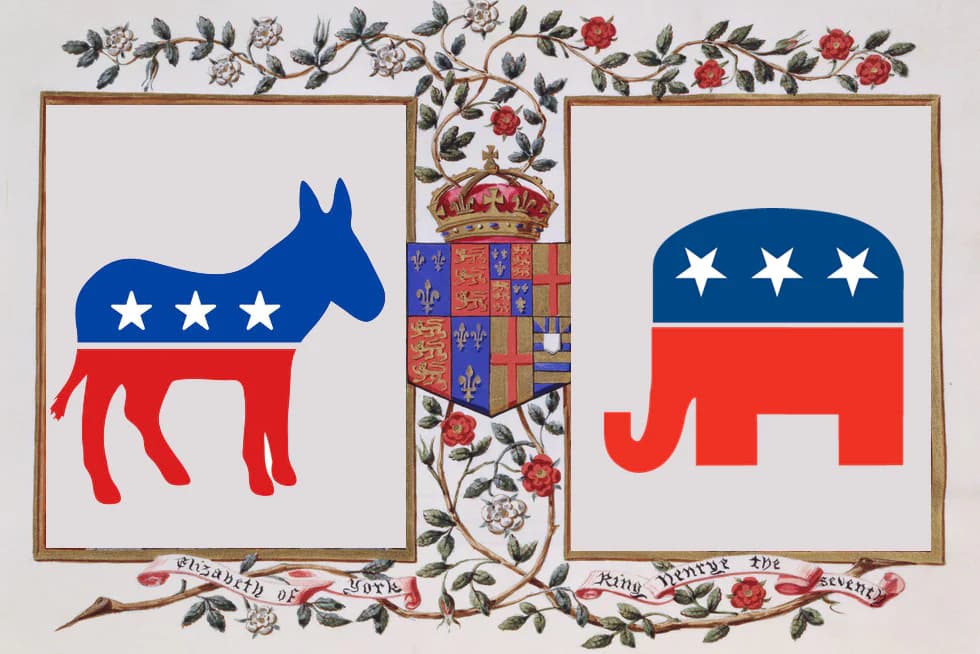
We no longer live in the old world of kings and serfs, or even capitalists and proletarians. Now we have tribes without purpose. Progressives and conservatives. Purists and hedonists. Moralists and cynics. Each camp convinced not merely that it is right, but that it is somehow more human than the others.
Everyone chooses a side in conflicts they barely understand. Everyone projects private preferences onto wars, nations, and tragedies. Everyone imagines that when the next great rupture comes, history will finally vindicate their tribe.
It will not.
When our time ends, it will end for everyone: for the owner of the newest iPhone and the man clutching his old Samsung; for the influencer with a hundred million followers and the nobody with a hundred; for the billionaire in orbit and the shepherd with three cows. No tribe will be spared. No slogan will save us. No algorithm will grant amnesty.
The Comfortable Road to Extinction
That is the truly modern achievement: we may disappear not in heroism, not in tragedy, not even in full awareness, but in comfort.
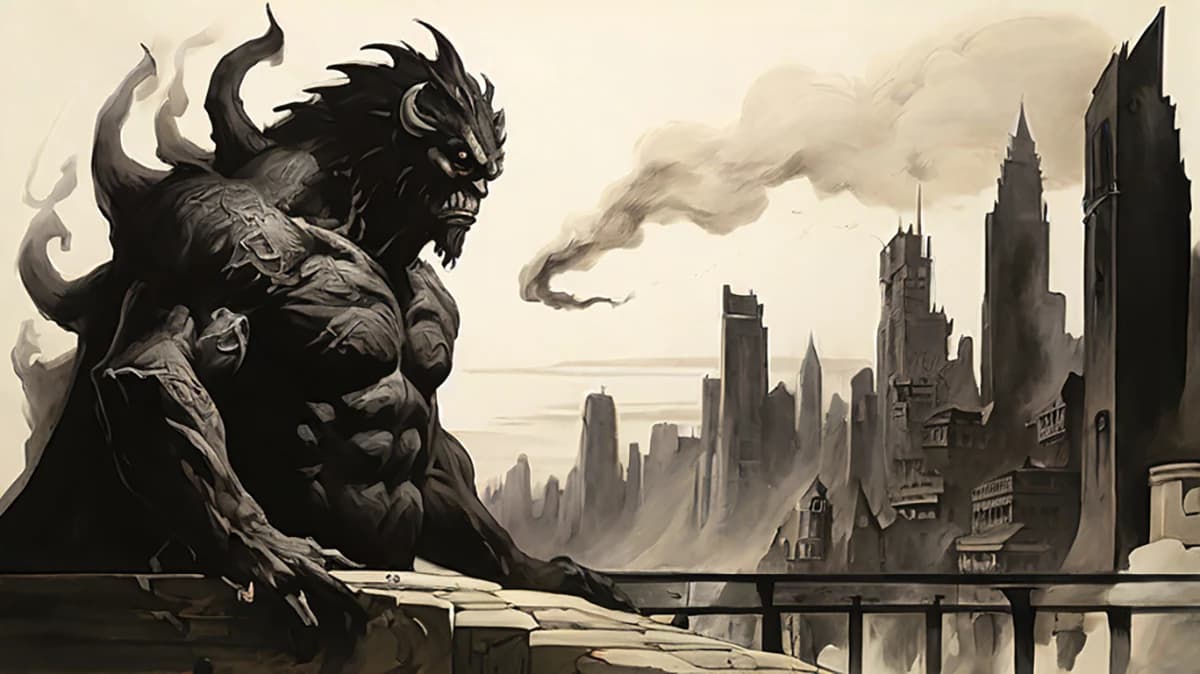
Like the Neanderthals, we may simply fail to remain necessary. Not biologically at first, but spiritually, intellectually, civilizationally. We are training ourselves to become passive, managed, pacified creatures—well-fed, overstimulated, and increasingly irrelevant to the systems that govern us.
Extinction is not necessarily tomorrow. Maybe not in a century. But decline does not begin with the final fall. It begins the moment a civilization stops asking what human beings are for, and starts asking only how to keep them satisfied.
And the consumer smiles best.
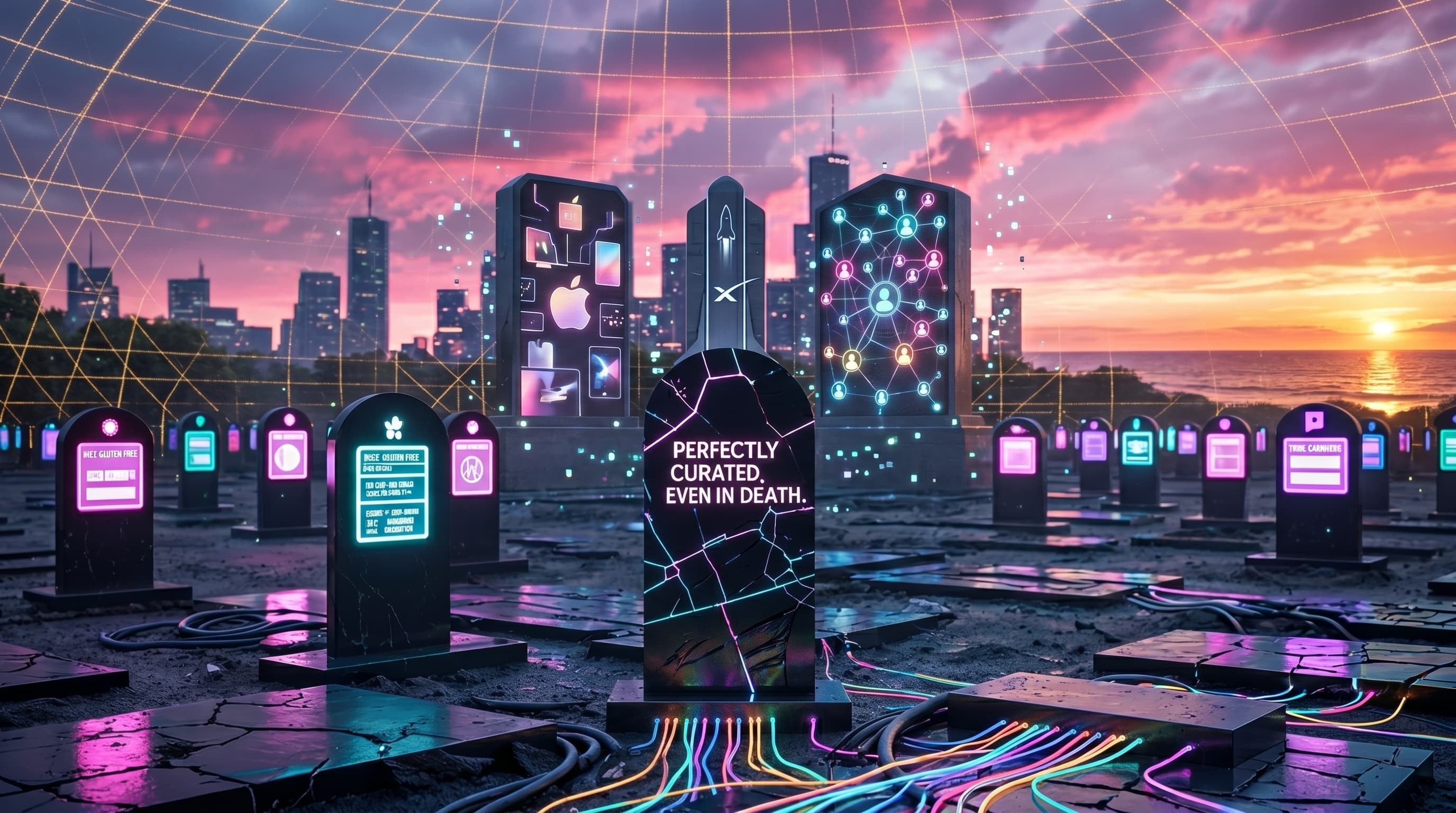
We will vanish beautifully—beneath polished towers, glowing screens, and perfectly archived digital memories. We will leave behind stainless steel, ergonomic chairs, subscription plans, and a mountain of content. An elegant graveyard.
A Flicker of Hope
And yet—I am not entirely sure we deserve that ending. Not yet.
For all our stupidity, vanity, and appetite for sedation, something still survives in us. A flicker. Something inconvenient. Something unprofitable. Something that still resists reduction.
Maybe it is in a child’s laughter before the world teaches them obedience. Maybe it is in the sea at dusk. Maybe it is in the stubborn urge to create something useless and beautiful. Maybe it is in the simple refusal to live as a well-maintained component in someone else’s machine.
That flicker may be small. But civilizations are not saved by comfort. They are saved, if they are saved at all, by such small and unreasonable things.
So yes, this brave new world is a gilded cage. Beautiful, efficient, seductive. But still a cage.
And cages break.
So drink up, my friends. Toast to the saints of Silicon Valley, to the smooth hum of the machine, to the elegance of our managed lives. Raise a glass to humanity—a species too brilliant to die quietly, and too foolish to live forever.
Cheers.
Reader Continuation Protocol
One link should open the structure, not end it.
This piece is part of a larger system. Continue the same tension, branch to a related essay, or follow the feed so the next release finds you without another Reddit thread.
Continue The Same Tension
Open the dialogue archive
Every editorial lives beside a second field of thought. Move into the dialogues to see the argument answer back.
Read Next
Intellectual Cowards
Explore the dangerous consequences of intellectual complacency in a world dominated by superficiality and the tyranny of the majority.
Return Channel
Follow every new essay, dialogue, and chapter by RSS.
This is the lowest-friction way to turn one visit into a recurring relationship. Drop the feed into any reader and the archive becomes a habit instead of a lucky rediscovery.
Support Independent Thought
If this essay challenged your perspective or gave you pause, support the continued production of work that stays open, direct, and outside platform logic.